

 CAN
CAN
 US
US


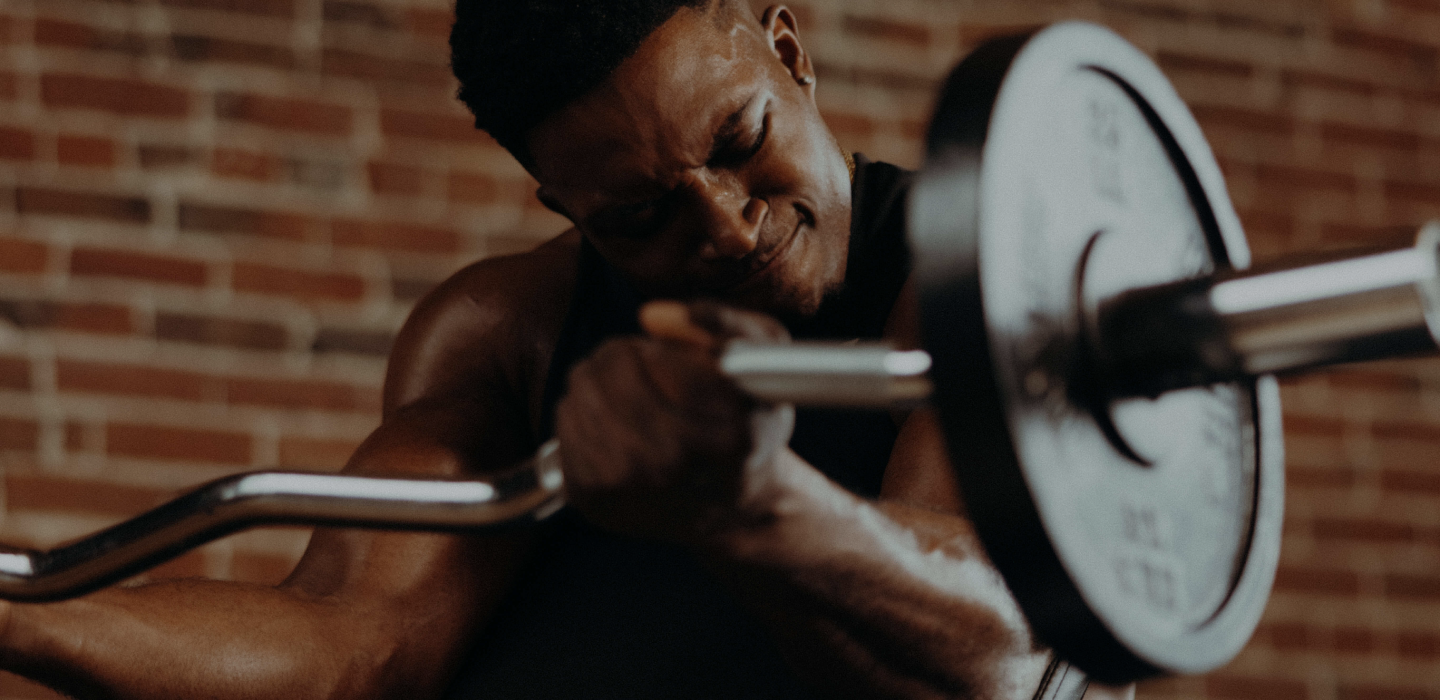
The five recovery-killing mistakes are: (1) going in immediately instead of cooling down 15–20 minutes first; (2) under-hydrating — drink 500–750 ml before and rehydrate with electrolytes after; (3) ignoring dizziness, nausea, or headaches; (4) choosing the wrong heat type for your goal; and (5) skipping a proper cool-down. Fix these and your sauna becomes a recovery asset, not a liability.
- Cool down first: wait 15–20 minutes after training so your heart rate normalizes.
- Hydrate proactively: 500–750 ml during your cool-down, plus electrolytes afterward.
- Respect warning signs: dizziness, nausea, or stopping sweating means exit now.
- Cap your session: 15–20 minutes; longer isn't better and raises dehydration risk.
- Match the tool to the goal: infrared for deep muscle relief, less cardiovascular strain.
- Finish properly: a lukewarm shower and rehydration — never an abrupt stop.
Safety first: anyone with unstable angina, severe aortic stenosis, or a recent heart attack should avoid sauna use. Pregnant women and those with low blood pressure should consult a doctor first. Always listen to your body and exit immediately if you feel unwell.
Mistake #1: Rushing the process — improper timing & temperature
Jumping into the sauna straight after your last rep is the most common error. During intense exercise your heart rate is elevated and core temperature is high. Entering the heat immediately adds cardiovascular stress, forcing your system to work even harder — which can cause dizziness, lightheadedness, and in severe cases fainting.
The fix: allow a 15–20 minute cool-down so your heart rate returns to a near-resting state. Once inside, aim for 15–20 minutes (10–12 for beginners). Staying longer increases dehydration and overheating risk, negating the recovery benefits.
Mistake #2: Forgetting your fuel — the role of hydration
Sweating is the sauna's primary benefit — and its greatest risk if unmanaged. Both your workout and your session deplete water reserves, and stacking the two without rehydrating invites headaches, fatigue, muscle cramps, and a blood-pressure drop.
The fix: effective hydration starts before you enter. Drink 500–750 ml of water during your cool-down, bring a bottle in and sip throughout, then continue with water and an electrolyte drink afterward to replace sodium and potassium lost through sweat.
Mistake #3: Ignoring your body's warning signs
Your body gives constant feedback during a session — learning to read it is non-negotiable. Dizziness is a classic sign of dehydration and overheating: when you're hot, blood vessels dilate to cool the skin, which can drop your blood pressure. If you're already dehydrated from training, the effect is magnified.
The fix: treat the signals below as hard stops, not something to push through. A good session leaves you relaxed and rejuvenated — not sick and depleted.
| Warning sign | What it means | What to do |
|---|---|---|
| Dizziness / lightheadedness | Dehydration + blood-pressure drop | Exit and rehydrate now |
| Nausea | Overheating | Exit, cool down gradually |
| Sudden stop in sweating | Possible heat exhaustion | Exit immediately, cool actively |
| Throbbing headache | Dehydration / overexposure | Exit, hydrate with electrolytes |
Mistake #4: Choosing the wrong tool for the job
Not all saunas are equal for post-workout recovery. First, a myth to bust: sauna heat stress isn't bad for muscle growth — as heat stress it can trigger heat shock proteins and growth hormone that aid cellular repair. But a sauna is a recovery tool, not a quick fix; it complements nutrition, hydration, and rest rather than replacing them.
The fix: match the heat to your goal. Traditional saunas heat the air to high temperatures (80–100 °C), which then heats you. Infrared saunas heat the body directly for deeper tissue penetration at lower temperatures — often more effective for soothing sore muscles and joints with less cardiovascular strain. See our full infrared comparison to choose.
Mistake #5: An incomplete cool-down ritual
What you do after your session matters as much as before and during. Avoid jumping straight into a stressful activity, a heavy meal, or alcohol — your body is relaxed and your circulatory system is still working hard.
The fix: allow a final cool-down of at least 10–15 minutes. A lukewarm or cool shower helps close pores and return your temperature to normal gradually.
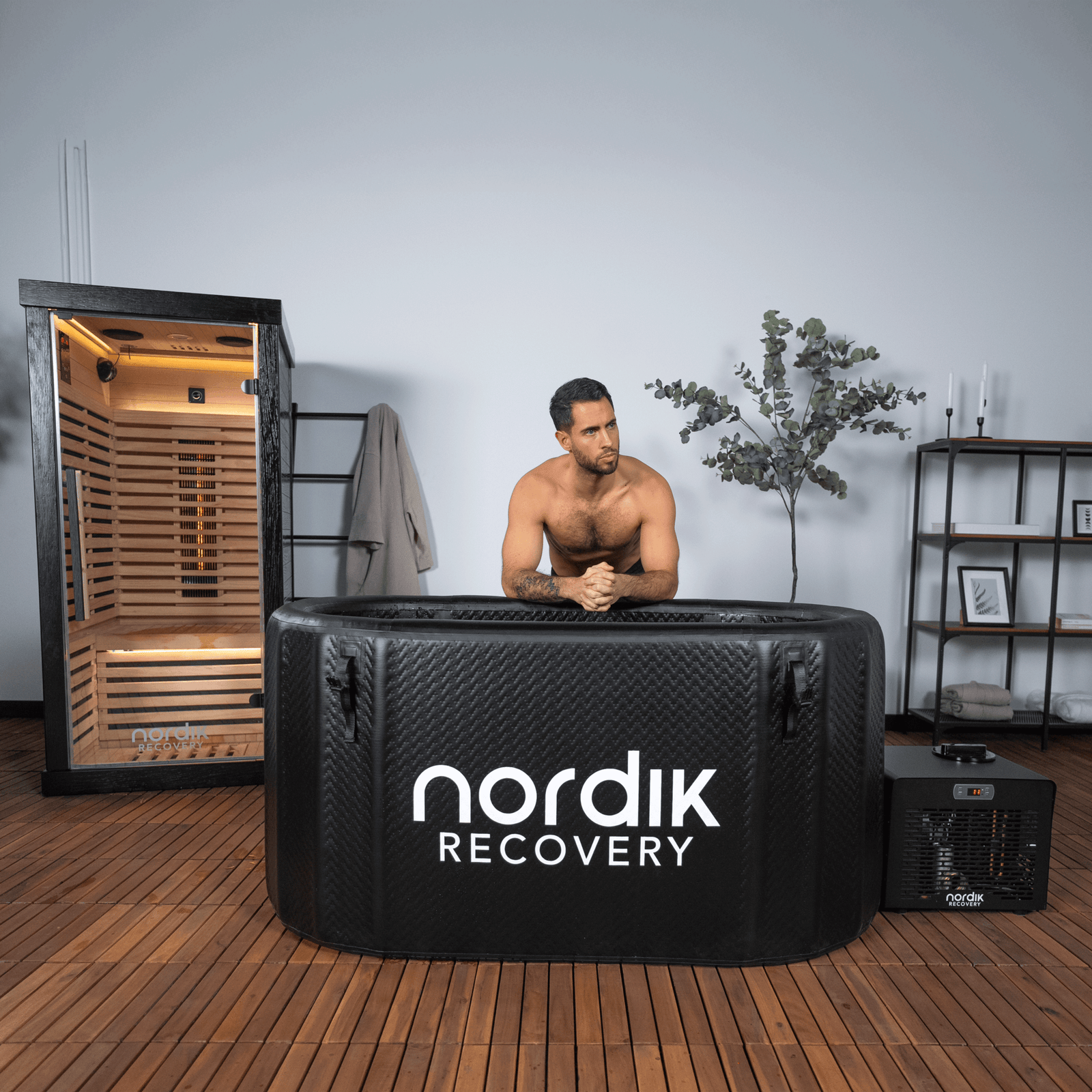
Level up with contrast therapy: alternating the sauna with a cold plunge creates a vasoconstriction–vasodilation "pump" that helps flush metabolic waste and reduce inflammation — accelerating recovery beyond heat alone.
Almost every 'bad sauna experience' I hear about traces back to one of these five — usually skipping the cool-down or under-hydrating. Fix the process and the same sauna that left someone dizzy becomes the best recovery tool in their week.— Nordik Product Specialist, Montreal
Frequently asked questions
Is it bad to go in a sauna right after a workout?
It can be. Going straight from a workout to a sauna puts excessive stress on your cardiovascular system, since your heart rate and body temperature are already elevated — which can cause dizziness, dehydration, and fainting. Cool down for at least 15–20 minutes first.
What are the biggest sauna mistakes to avoid?
Five: (1) improper timing — going in without cooling down; (2) dehydration — not drinking enough before, during, and after; (3) ignoring body signals like dizziness or nausea; (4) staying in too long, past 15–20 minutes; and (5) a poor post-sauna protocol — no cool-down or electrolyte rehydration.
How long should I wait to use the sauna after exercising?
At least 15–20 minutes. This lets your heart rate return to near-resting and your body begin its natural cooling process, reducing cardiovascular strain and making the session safer and more effective.
Is an infrared sauna better than a traditional one for muscle recovery?
Many athletes prefer infrared for recovery. Its heat penetrates deeper into muscle tissue at a lower ambient temperature than a traditional sauna, offering more targeted relief for soreness and joint pain with less cardiovascular stress.
Find your perfect sauna in 2 minutes
Answer a few quick questions about your budget, size etc. and get matched to the right sauna. Plus price-drop alerts.
How we sourced this guide: recommendations reflect published research on post-exercise heat exposure, hydration, and contrast therapy, alongside practical guidance from Nordik's product specialists. This article is educational and not medical advice — consult your doctor before starting sauna use, especially with a cardiovascular condition or during pregnancy.