

 CAN
CAN
 US
US


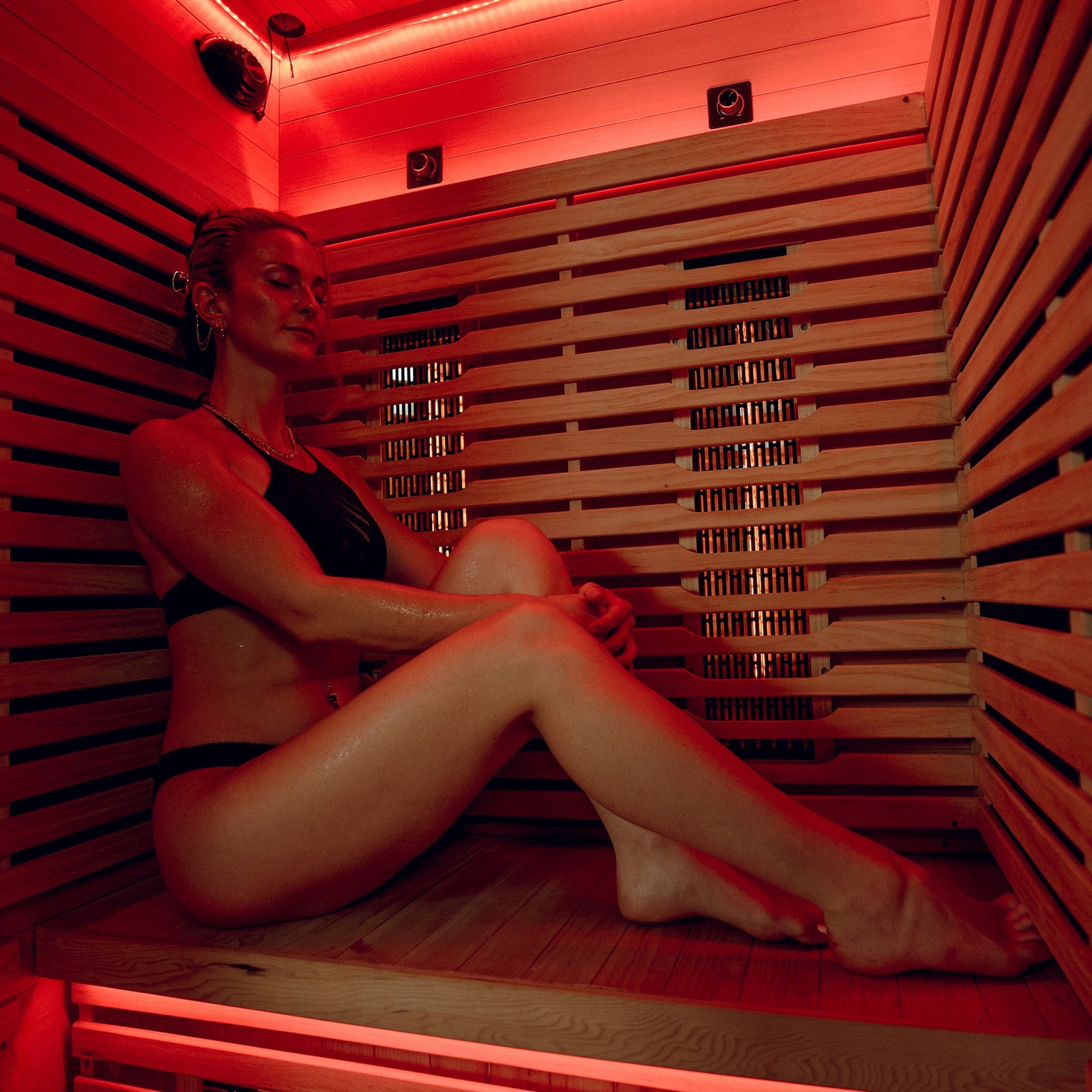
For targeted muscle recovery, infrared has the edge: it heats your body directly, penetrating 1.5–2 inches into tissue at a comfortable 50–65 °C. Traditional saunas heat the air to 70–90 °C for a deep, cardio-style sweat and classic ritual. Both work — infrared is more efficient for sore muscles and joints with less cardiovascular strain, while traditional excels at circulation and heat-adaptation training.
- Different heat, different result: traditional warms the air; infrared warms you directly.
- Infrared penetrates deeper: far-infrared reaches 1.5–2 inches into soft tissue for targeted muscle relief.
- Research edge for recovery: a 2015 study found far-infrared more favourable for neuromuscular recovery from maximal endurance efforts.
- Traditional wins on ritual + cardio: intense löyly heat elevates heart rate like moderate exercise.
- Safety is non-negotiable: only buy an ETL-certified sauna — independently tested to North American standards.
- Install reality: most infrared plugs into a standard outlet; traditional and large outdoor units need a 220–240V circuit.
How do infrared and traditional saunas work?
Both deliver profound benefits, but they produce heat — and results — in fundamentally different ways. The distinction comes down to the heating mechanism.
Traditional saunas use a convection heater (electric or wood-fired) to heat rocks, which radiate heat that warms the air to 70–90 °C (160–195 °F). You feel intense heat from the air around you, inducing a deep, powerful sweat — the classic Nordic ritual.
Infrared saunas use heaters that emit radiant heat absorbed directly by your body. Instead of heating the air, they heat you from the inside out, so you get a deep sweat at a much lower ambient temperature of 50–65 °C (120–150 °F) — a significant factor for athletes focused purely on physical recovery.
| Infrared | Traditional | |
|---|---|---|
| How it heats | Radiant heat, absorbed by the body | Convection heat, warms the air |
| Temperature | 50–65 °C (120–150 °F) | 70–90 °C (160–195 °F) |
| Heat penetration | Deep — 1.5–2 in into tissue | Primarily superficial (skin surface) |
| Best for | Targeted muscle & joint recovery | Circulation, ritual, heat adaptation |
| Cardiovascular strain | Lower | Higher (elevates heart rate) |
| Typical wiring | Standard household outlet | Dedicated 220–240V circuit |
Which is more effective for workout recovery?
The data points to infrared having a distinct edge for targeted muscle relief. A 2015 study by Mero et al. in SpringerPlus found that far-infrared sauna bathing was more favourable for neuromuscular recovery from maximal endurance performance. Far-infrared waves typically reach 1.5–2 inches into bodily tissue.
This doesn't mean traditional saunas aren't beneficial — their intense heat is excellent for promoting circulation and relieving overall tension. But for addressing specific muscle soreness and accelerating repair at a cellular level, infrared's direct-to-muscle heating often proves more efficient.
The penetration difference, plainly: traditional heat warms the surface of your skin, and your body increases blood flow to cool itself. Far-infrared wavelengths penetrate soft tissue directly, driving a deeper physiological response — more oxygen to tired muscles — at a lower, more comfortable temperature.
Beyond the heat: practical considerations for your home
Assembly: from box to bliss
Modern flat-pack designs have transformed home sauna assembly. Panels are precision-crafted to lock into place, so many units go up with just two people in a few hours — no specialist trade required.
Electrical requirements
Most indoor infrared models plug into a standard household outlet. Larger traditional or outdoor models may need a dedicated 220–240V circuit installed by a certified electrician. Confirm the requirement before you buy so setup is seamless.
Non-negotiable — buy ETL certified. An ETL-certified sauna has been independently tested by an OSHA-recognized laboratory to North American safety standards, covering electrical safety and material quality. Every Nordik Recovery sauna is ETL certified. In an unregulated market, this is your guarantee of peace of mind.
Which sauna fits your space?
Your home is unique, so your sauna should be too. An indoor infrared unit suits a spare room; a classic outdoor sauna completes a backyard. For Canadian winters, outdoor models are built with superior insulation and durable wood — from iconic barrel designs to modern cabins.
A word of caution: budget infrared units (including big-box options) often lack rigorous ETL certification, premium materials, and dedicated support. For a purchase you'll use for 15–20 years, those are the details that matter most.
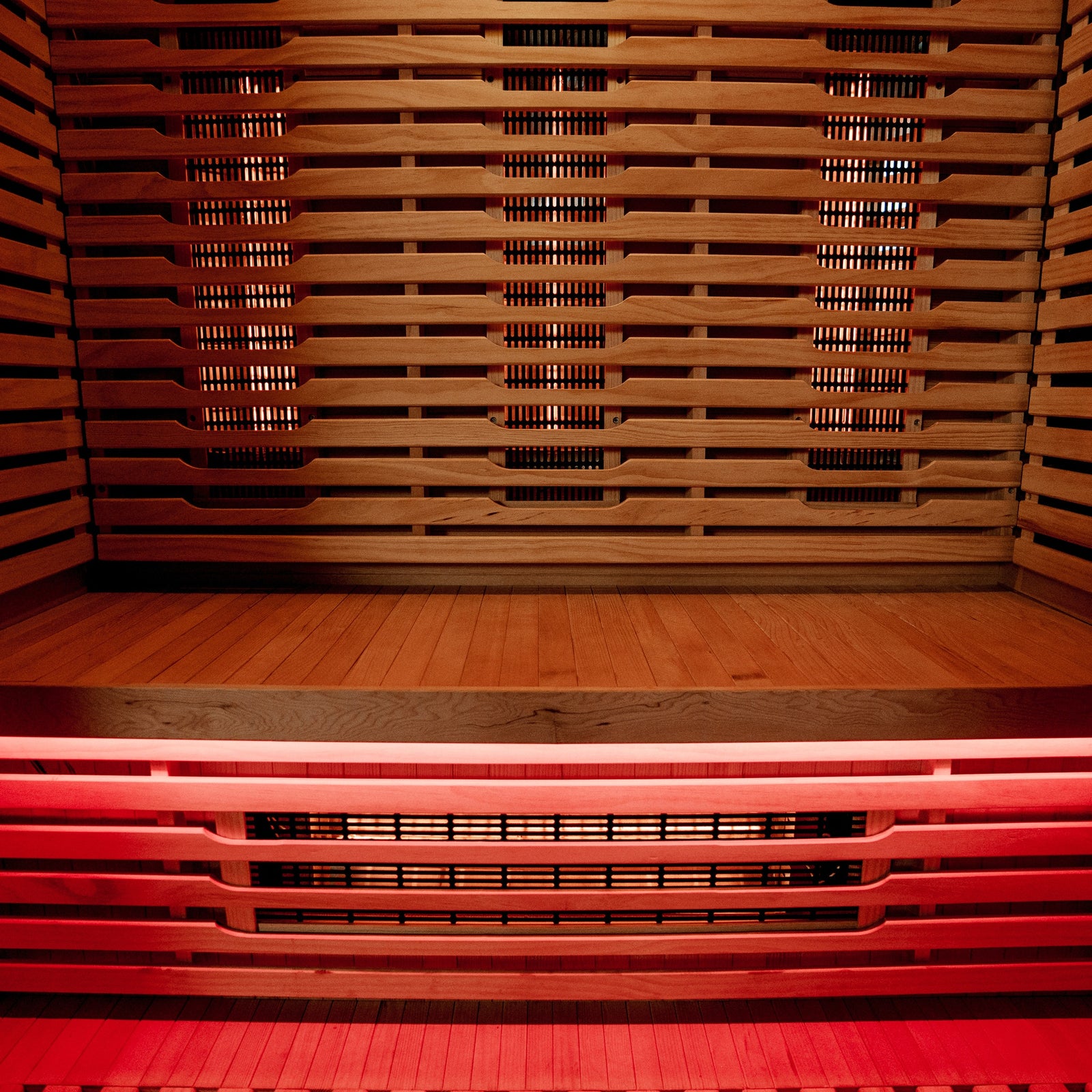
If your priority is targeted muscle recovery with the least cardiovascular strain, infrared is the smarter tool. If you want the full ritual — the löyly, the heat, the tradition — a traditional sauna delivers it. Neither is wrong; they're built for different goals.— Nordik Product Specialist, Montreal
Debunking myths about both sauna types
Infrared is more than "just heat." By directly heating muscle, it helps reduce inflammation and accelerate repair — but it is not a medical device that cures disease, and any such claim deserves skepticism. On the persistent "can infrared saunas cause cancer?" question: reputable scientific bodies have found no evidence that the far-infrared radiation used in saunas is harmful — it's a safe, non-ionizing form of radiation.
Traditional saunas are a ritual, not a recovery scalpel. The steam (löyly), enveloping heat, and cleansing sweat deliver real cardiovascular benefits by elevating heart rate like moderate exercise. But they don't offer the same targeted, deep heat penetration as infrared.
Universal truths: both types trigger heat shock proteins, which research shows are critical for cellular repair — a core reason saunas aid recovery and joint relief. A general session guideline is 15–20 minutes, adjusted to your tolerance.
Frequently asked questions
What is the main difference between an infrared and a traditional sauna for recovery?
How they generate heat. A traditional sauna heats the air around you to a high temperature, which then heats your body. An infrared sauna heats your body directly, allowing deeper heat penetration at a lower, more comfortable air temperature — so it can target muscles more efficiently.
Is an infrared or traditional sauna better for muscle soreness?
For targeted muscle soreness, evidence favours infrared. Its waves penetrate soft tissue more deeply, improving circulation and oxygen delivery to tired muscles. Traditional saunas are excellent for overall relaxation and circulation, but infrared is generally more efficient for direct post-workout recovery.
How long should I stay in a sauna after a workout?
Beginners: 10–15 minutes. As you acclimate, you can build to 20–30 minutes. Always cool down first, stay hydrated, and exit if you feel dizzy or unwell.
Are home saunas safe?
Yes — provided they're built to high standards and certified. Always look for an ETL-certified sauna, meaning it has been independently tested for electrical safety and construction integrity in North America. This certification is non-negotiable for you and your family's safety.
Still deciding? Find your perfect sauna in 2 minutes
Answer a few quick questions about your budget, size etc. and get matched to the right sauna. Plus price-drop alerts.
How we sourced this comparison: heat-penetration and recovery claims reference published infrared research (including Mero et al., 2015, SpringerPlus) and physical-therapy literature; safety guidance reflects ETL certification standards. This article is educational and not medical advice — consult your doctor before starting sauna use.